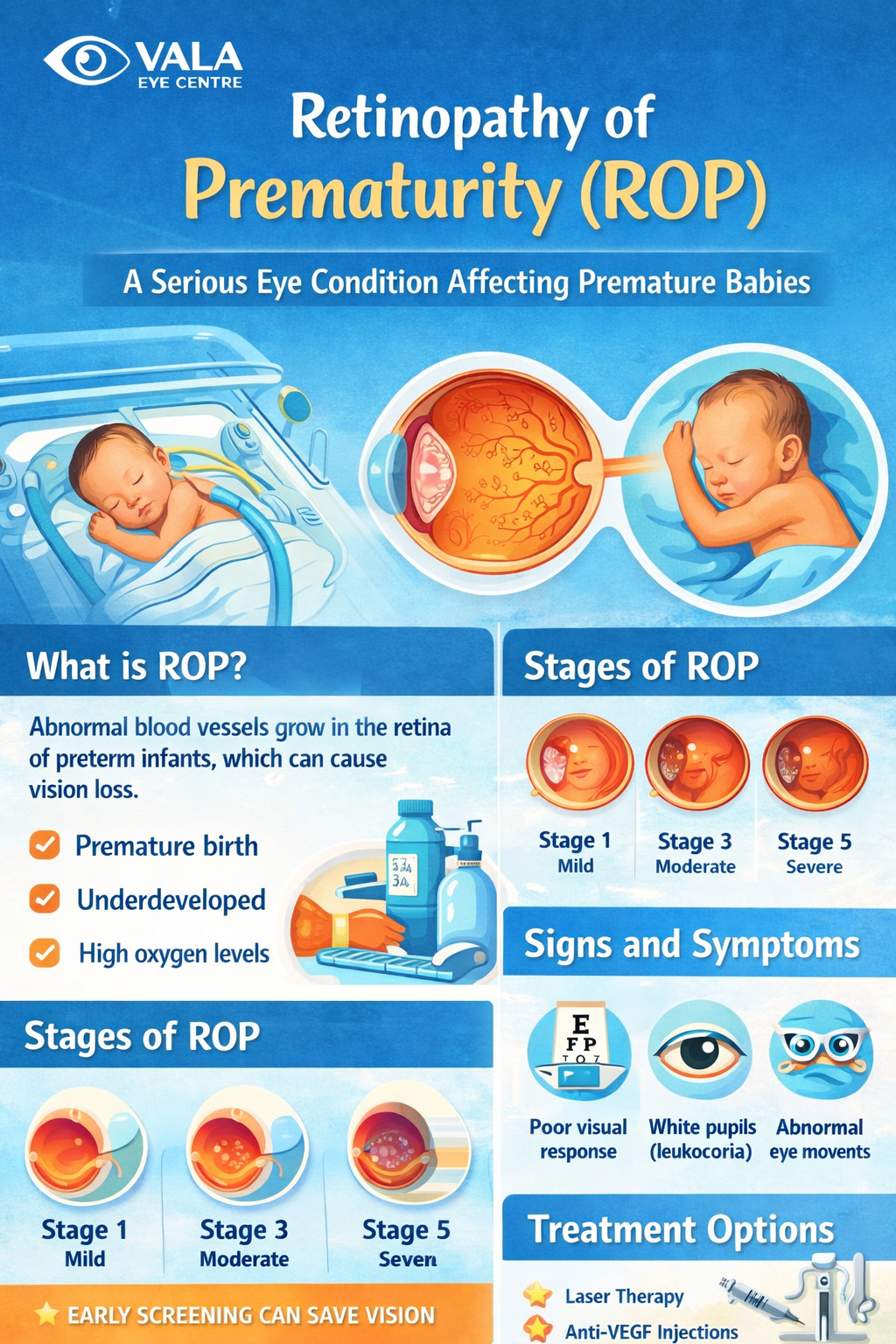
Retinopathy of Prematurity (ROP): A Complete Guide for Parents of Newborns

The birth of a newborn is a moment of immense joy, but for parents of premature babies, it can also bring unexpected health concerns. One such condition that requires immediate attention is Retinopathy of Prematurity (ROP), a potentially serious eye disorder that affects premature infants. At Vala Eye Centre, we frequently counsel parents about ROP, its risks, and the importance of early screening. With timely diagnosis and proper treatment, ROP can be managed effectively, preventing long-term vision problems or even blindness. This blog will help you understand everything about retinopathy of prematurity, including causes, symptoms, risk factors, treatment, and prevention. What is Retinopathy of Prematurity (ROP)? Retinopathy of Prematurity (ROP) is an eye condition that occurs in premature babies where the blood vessels in the retina (the light-sensitive layer at…
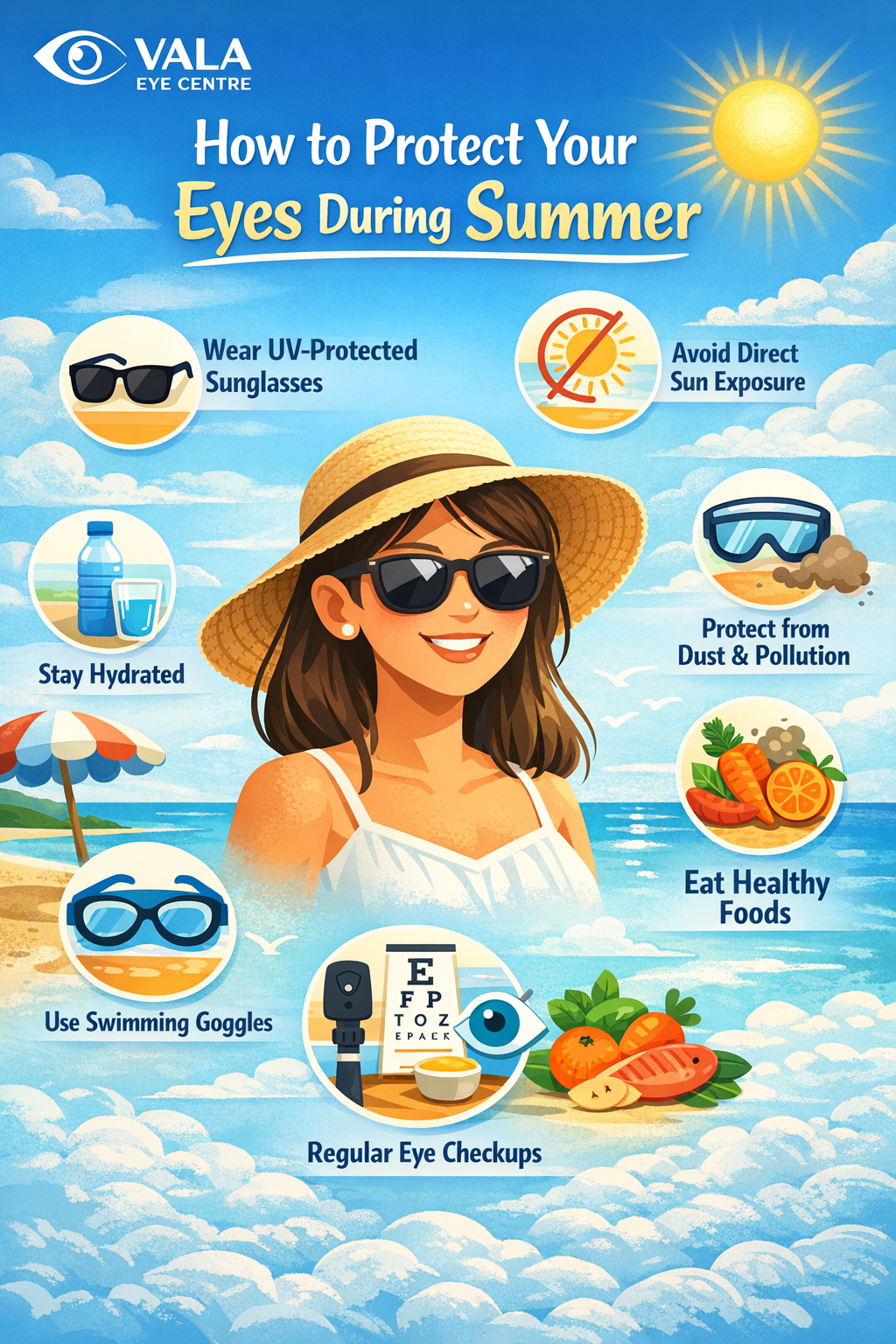
How to Protect Your Eyes During Summer Season: Expert Tips by Vala Eye Centre

Summer brings longer days, bright sunshine, and outdoor activities, but it also exposes your eyes to harsh environmental conditions. Increased sunlight, heat, dust, and pollution can significantly impact eye health if proper care isn’t taken. Many people experience common issues like dryness, irritation, redness, and even infections during this season. At Vala Eye Centre, we often see a rise in eye-related complaints during summer months. The good news is that with the right precautions and habits, you can effectively protect your eyes and maintain clear, comfortable vision. In this blog, we’ll walk you through expert-backed tips on how to protect your eyes during summer, ensuring optimal eye health throughout the season. Why Eye Care is Important in Summer Before diving into preventive measures, it’s important to understand why summer can…

Black Cataract: Causes, Symptoms, and Advanced Treatment Options

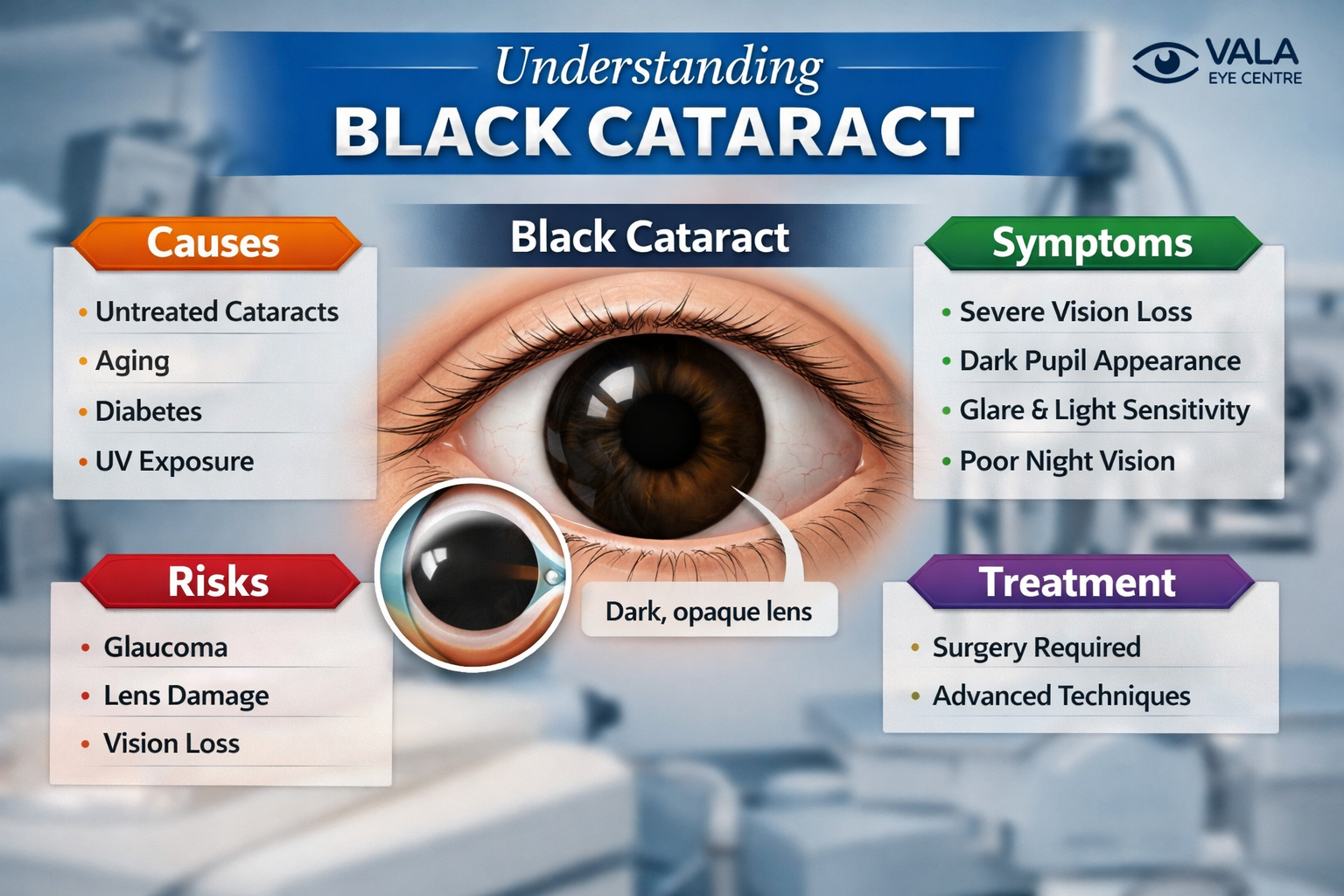
When people hear the word cataract, they usually imagine a cloudy or white appearance in the eye. However, in rare and advanced cases, cataracts can turn dark brown or even black. This condition, commonly referred to as a black cataract, is medically known as a hypermature cataract. At Vala Eye Centre, we often see patients who delay treatment, leading to such advanced stages. Understanding black cataracts is crucial for timely intervention and preserving vision. What Is a Black Cataract? black cataract is an extreme progression of a regular cataract, where the eye’s natural lens becomes not just cloudy but deeply pigmented appearing brown or black. This happens when the cataract is left untreated for a long time, causing the lens proteins to harden and oxidize. Unlike early-stage cataracts that only…

How Do I Know What Glaucoma Treatment Is Best for Me?

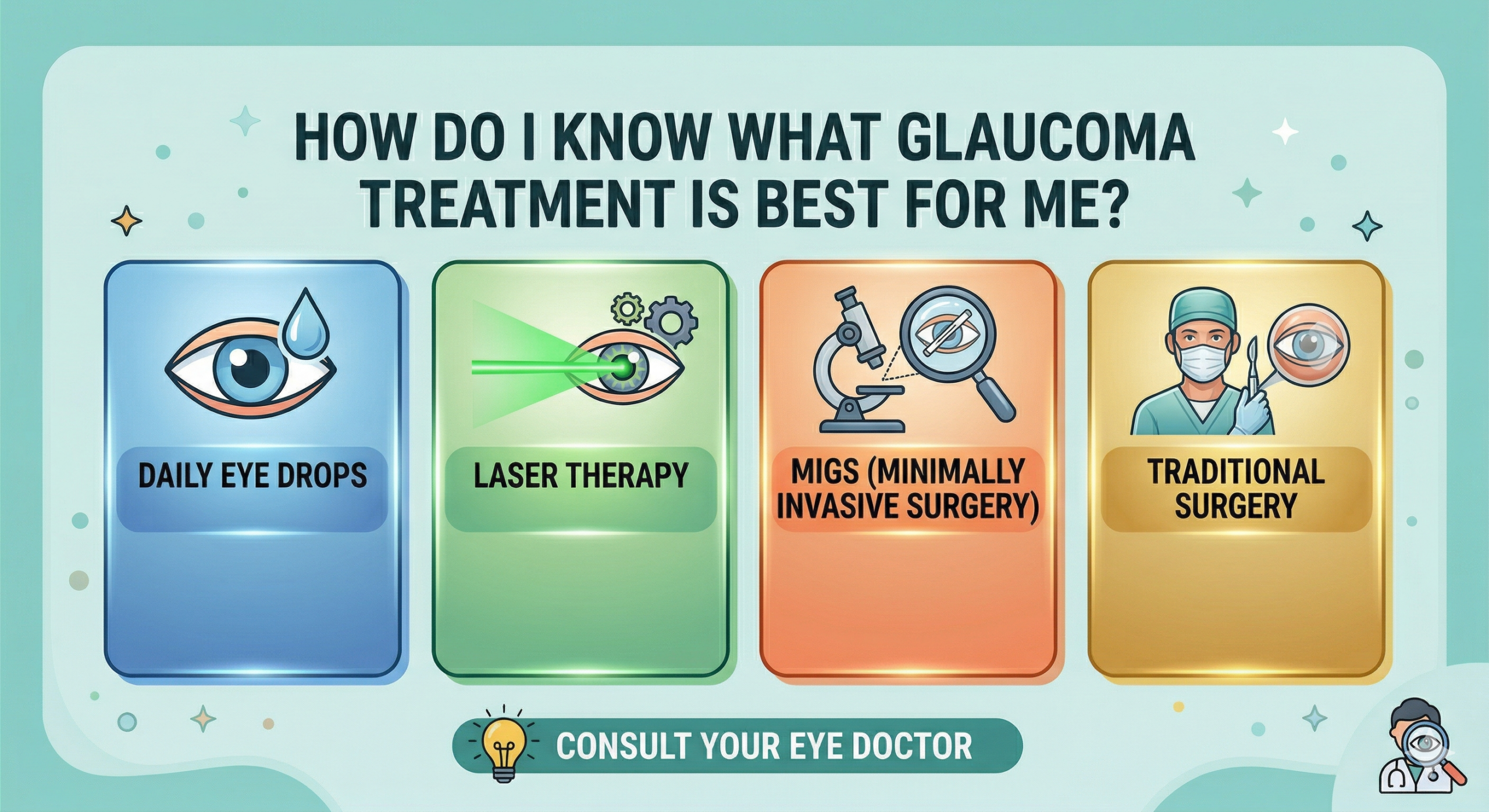
  If you or someone close to you has recently been diagnosed with glaucoma, it’s completely normal to feel overwhelmed at first. Often referred to as the “silent thief of sight,” the condition can sound alarming, but the reassuring truth is that while glaucoma is serious, it is highly manageable with timely diagnosis, proper treatment, and consistent care. The most common question people ask after a diagnosis is, "What is the best treatment for me?" The answer isn't the same for everyone. Choosing a treatment is a journey you take with your eye doctor, based on your specific type of glaucoma, your lifestyle, and how your eyes respond to care. This guide will break down the options in simple terms to help you feel more confident about your eye health.…

Retina Treatment Options Available at Vala Eye Centre

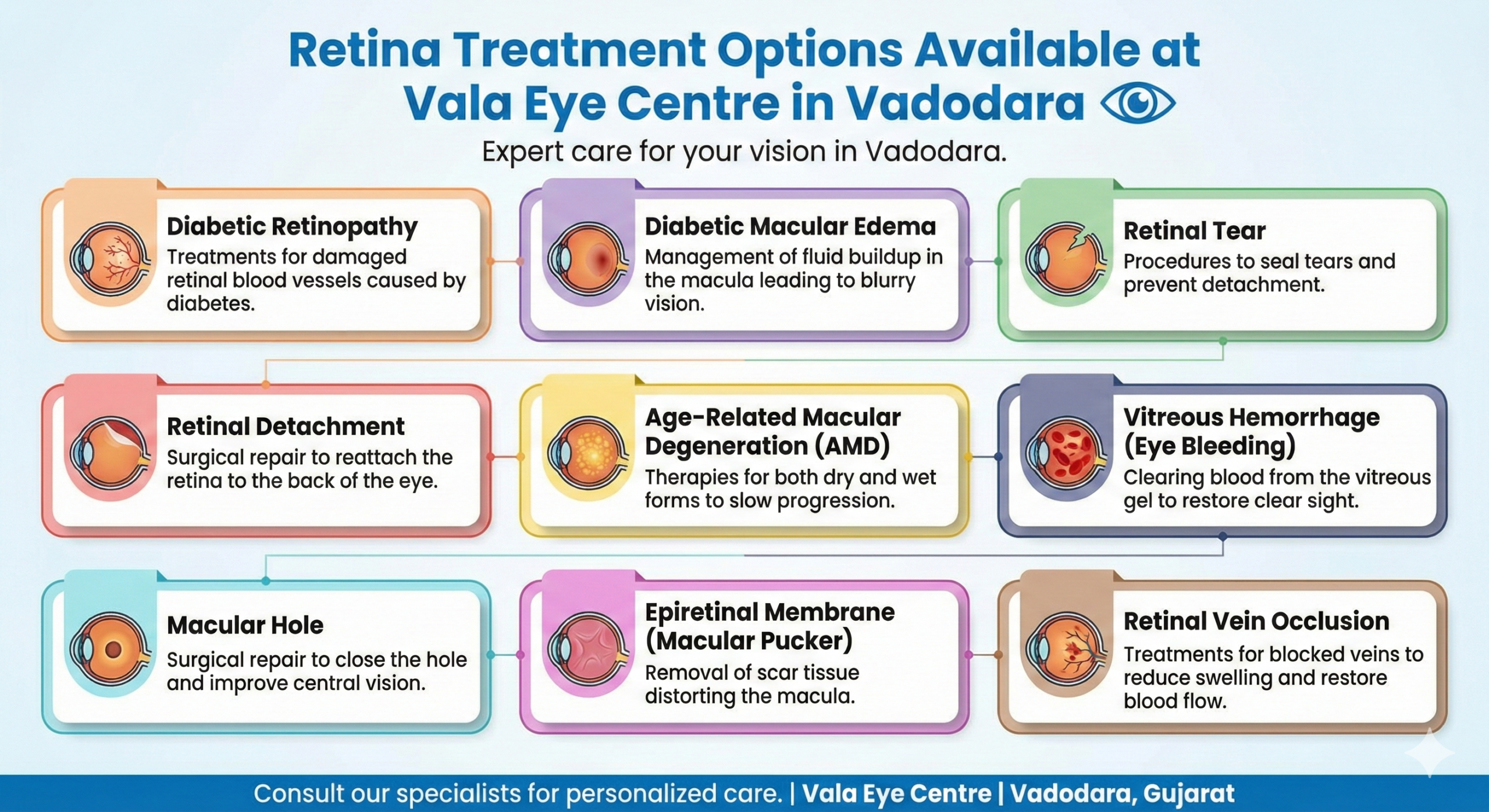
Retinal diseases are among the most serious eye conditions because the retina plays a crucial role in vision. It converts light into signals that the brain interprets as sight. Any damage to the retina can lead to permanent vision loss. Fortunately, modern retina treatment options available at Vala Eye Centre, Vadodara allow many retinal conditions to be diagnosed early and treated effectively. From advanced imaging to injections, laser procedures, and surgery, retinal care has evolved significantly. In this blog, we’ll explain the different retina treatment options, when they are used, and how timely care can help protect your vision. What Is the Retina and Why Is It So Important? The retina is a thin, delicate layer at the back of the eye. It is responsible for: Sharp central vision side…

Floaters and Flashes: When It’s Serious

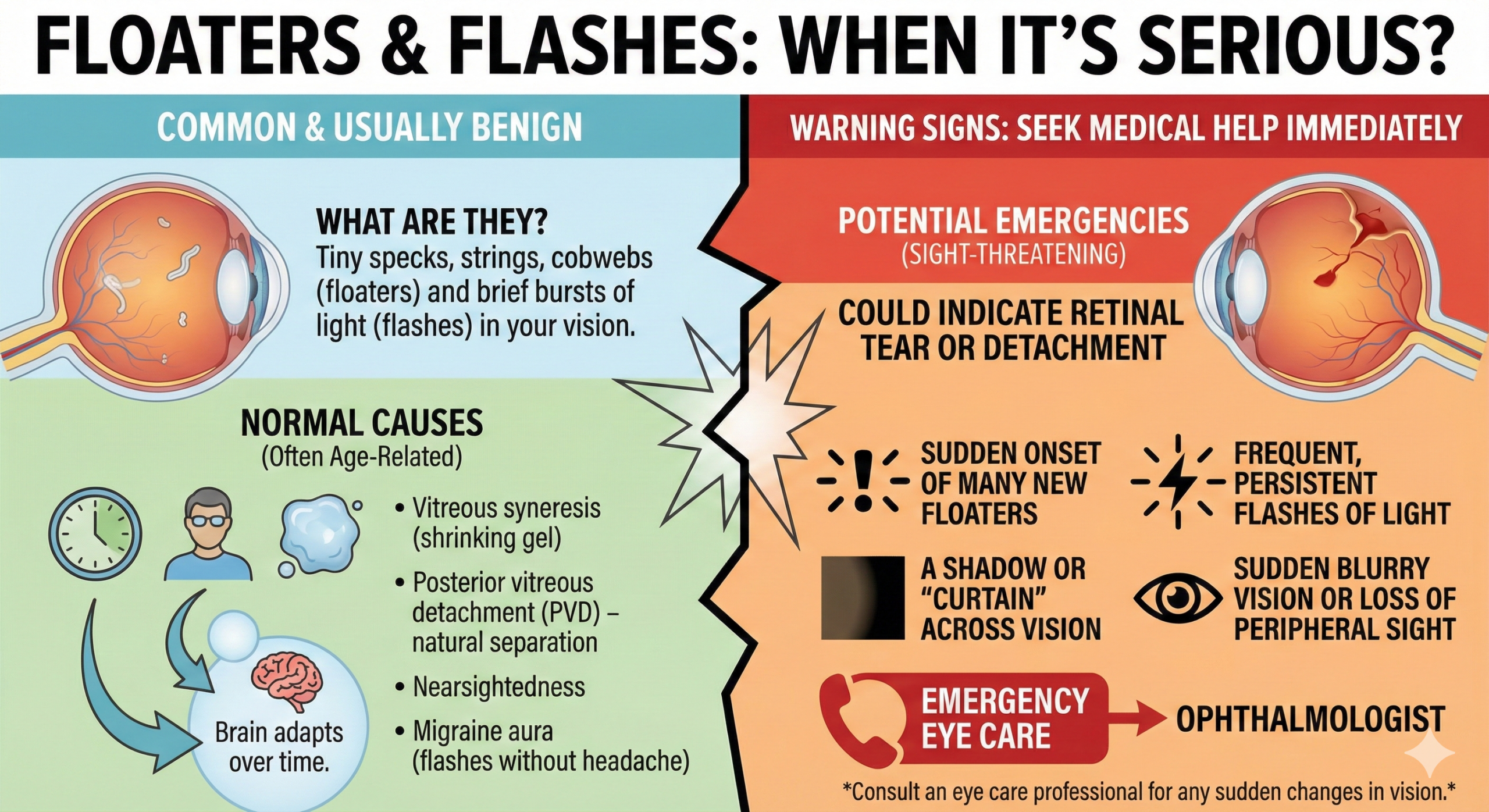
Seeing sudden black spots, cobweb-like strands, or flashes of light in your vision can be scary. Many people brush it off as “eye strain” or assume it will go away on its own. But in some cases, floaters and flashes can be an early warning sign of a retinal tear, a condition that needs urgent medical attention. While floaters are often harmless, the key is knowing when it’s serious and when you should immediately consult a retina specialist. A retinal tear can progress to retinal detachment, which may lead to permanent vision loss if not treated quickly. In this blog, we’ll explain what floaters and flashes mean, what retinal tear warning signs to watch for, and what to do next. What Are Eye Floaters? Floaters are small shapes that drift…

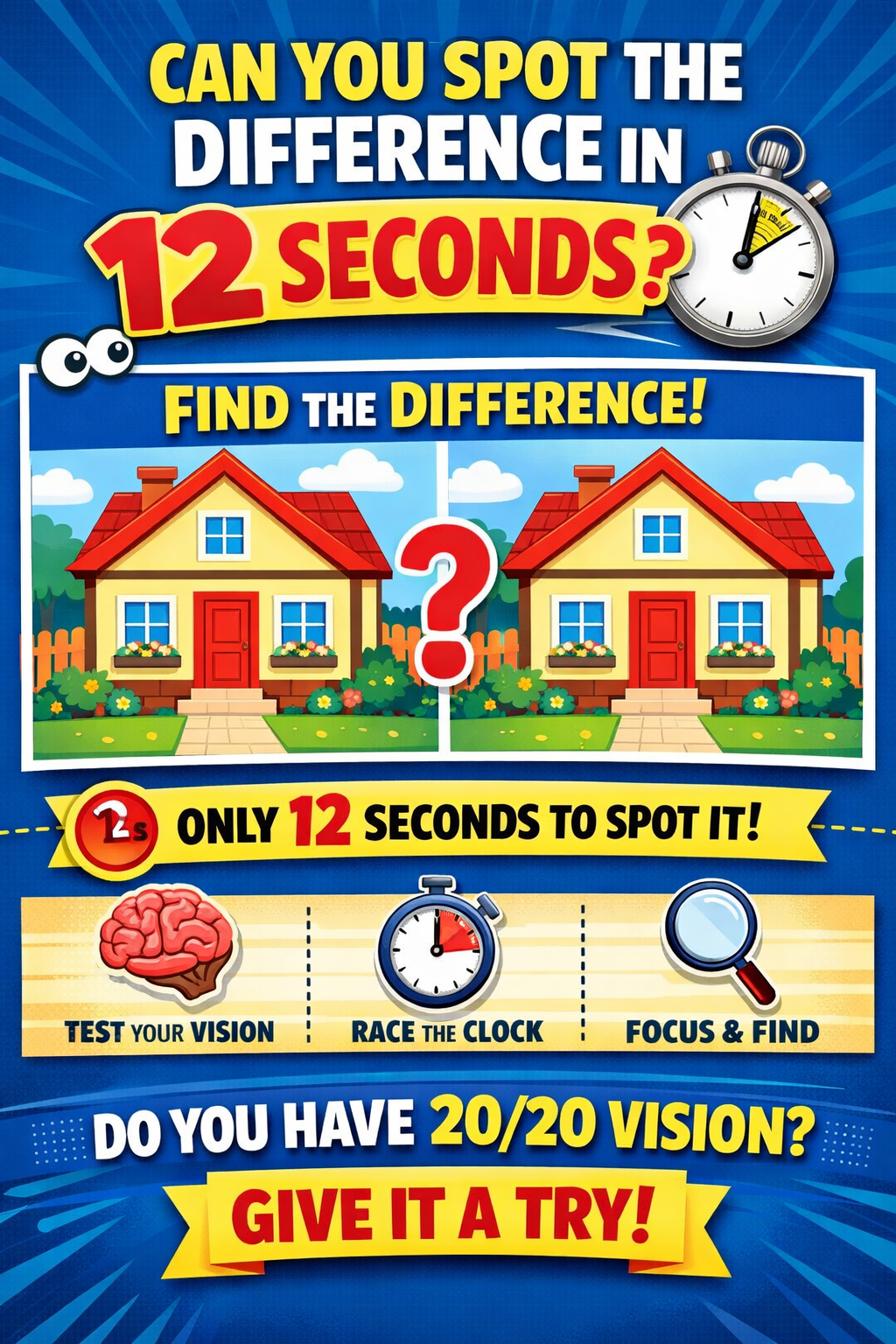
Can You Spot the Difference in Just 12 Seconds? Take This Vision Challenge!

Are you confident about your eyesight? Think you have sharp visual skills? Here’s a fun challenge that’s taking social media by storm — and it’s all about how well you can spot tiny differences under pressure. Let’s dive in! The Brain + Eye Connection Before we get to the challenge itself, it’s fascinating to understand why tests like this are so tricky. Our brains are wired to recognize patterns quickly. When we see something familiar like a group of similar images or letters our mind automatically fills in details without analyzing every single element. This helps us read faster and notice common shapes instantly, but it can also make us overlook tiny anomalies. That’s where visual challenges come in. They exploit this pattern recognition system, forcing your brain to slow…

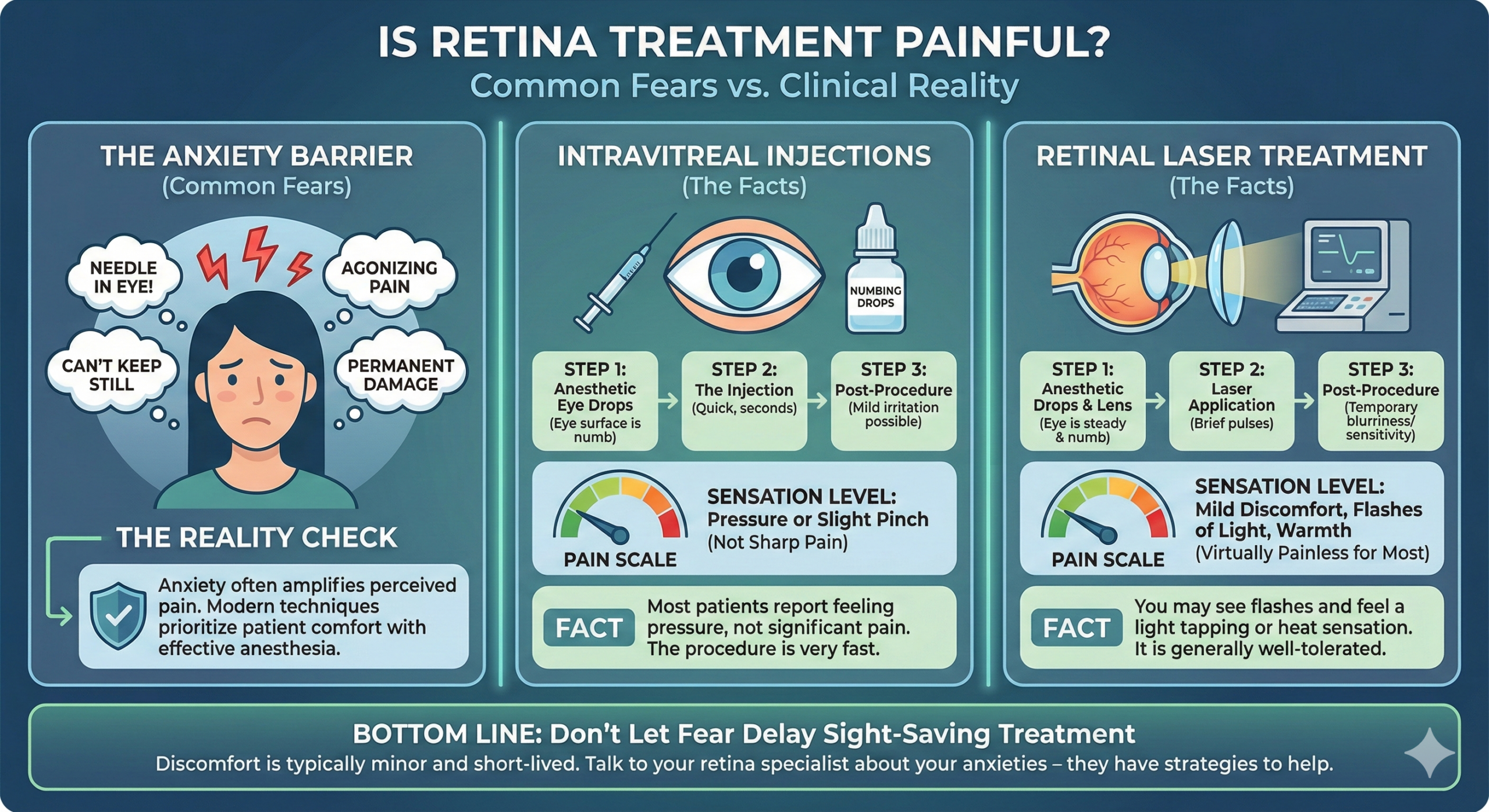
Is Retina Treatment Painful? Common Fears Explained

We are often very cautious of our eyes. It is the most exposed and sensitive area on your face. If your doctor has recommended any kind of retina treatment it can cause you to worry. Procedures involving injection, laser, or surgery can especially seem frightening. The good news is that most retina treatments are not painful. With modern techniques and numbing medicine, the majority of patients experience only mild discomfort, pressure, or temporary irritation. In this blog, we’ll explain what retina treatments actually feel like, what common fears patients have, and how a retina specialist in Vadodara ensures your experience is safe and comfortable. What is Retinal Treatment? The thin, light-sensitive layer at the rear of the eye is called the retina. Damage to the retina can cause distorted or…

Understanding Age-Related Macular Degeneration (AMD)

Imagine you are looking at a photograph of your family. You can clearly see the trees in the background, the furniture on the sides, and the frame on the wall. But when you try to look at the faces of your loved ones in the center of the photo, they are blurred, distorted, or perhaps covered by a dark smudge. You try to blink it away, clean your glasses, or rub your eyes, but the smudge stays. This is the frightening reality for millions of people suffering from Age-Related Macular Degeneration (AMD). It is a leading cause of vision loss in people over the age of 50, yet it remains one of the most misunderstood eye conditions in India. At Vala Eye Centre, we often see patients who believe their…

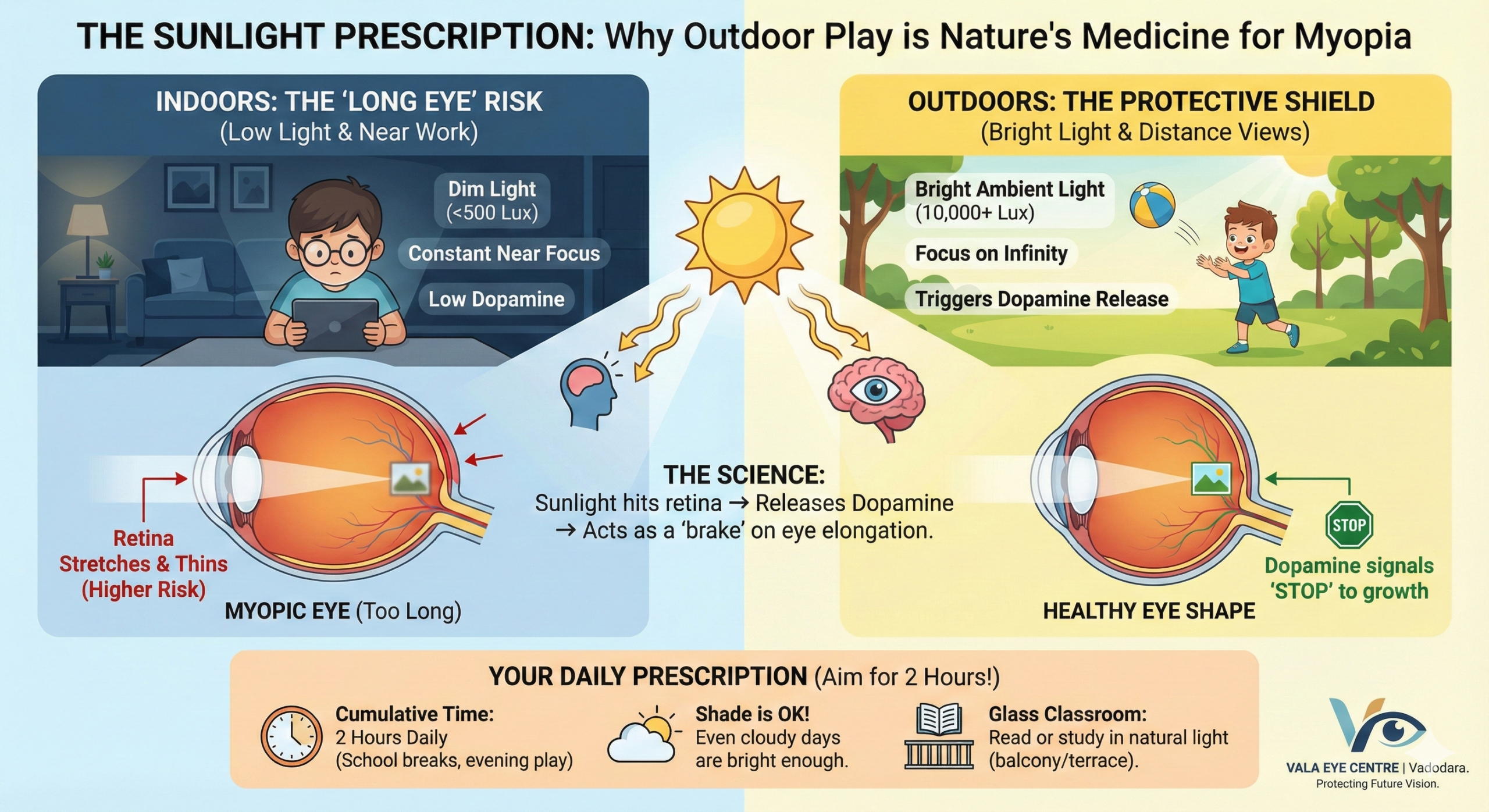
The Sunlight Prescription: Why Outdoor Play is the Best Medicine for Myopia

In today’s digital age, we often find children glued to screens, whether it’s for online classes, video games, or scrolling through social media. As parents, we worry about the impact of this "digital life" on their posture, their sleep, and most importantly, their eyes. You have likely noticed the trend: more and more children in Vadodara are wearing glasses at younger ages. The numbers on their prescriptions seem to climb higher every year. This condition is called Myopia (nearsightedness), and it is becoming a global epidemic. While we often blame phones and tablets, recent medical research points to another culprit, something much simpler than blue light or pixels. The problem might not just be what our children are looking at, but where they are staying. The missing ingredient in your…