
Understanding Glaucoma, Causes and Treatments available in Vadodara
Glaucoma is a serious eye condition that gradually damages the optic nerve, often linked to increased pressure inside the eye (intraocular pressure). If not diagnosed and treated early, glaucoma can cause irreversible vision loss and even blindness. Since glaucoma usually develops silently without obvious symptoms, many patients remain unaware until significant damage has occurred. It is a group of eye diseases that damage the optic nerve, the pathway that carries visual information from the eye to the brain. The most common cause is elevated eye pressure, but glaucoma can also occur with normal pressure. There are different types of glaucoma:
- Open Angle Glaucoma: The most common type which progresses slowly and silently.
- Angle closure Glaucoma: A sudden rise in eye pressure, often painful and requiring urgent treatment.
- Normal Tension Glaucoma: A condition where the optic nerve is damaged despite normal eye pressure.
- Congestional Glaucoma: Rare typre and present at birth which requires early intervention or it could lead to complete blindness
- 1- Progressive Loss of Peripheral Vision In the most common form, Primary Open Angle Glaucoma (POA), the first sign is usually a subtlethinning of the side (Peripheral) Vision. Patients often describe this as "Tunnel Vision. You might find yourself bumping into furniture or failing to see objects in your side view that were once clear.
- 2- Visual Disturbances: Halos and Haziness: As the disease impacts the way the processes light, patients may notice distinct changes in their visual clarity. Seeing rainbow colored circle around bright lights especially at night, can indicate a sudden shift in eye pressure. When we talk about cloudy vision this just doesnt mean blurry vision that a new pair of glasses can fix, it's a lack of transparency caused by corneal swelling or nerve degradation.
- 3- Acute Angle-Closure Glaucma: Unlike the slow progression of open-angle glaucoma, Acute Angle Closure Glaucoma happens rapidly and requires immediate mdical attention. Its Symptomps are intense and results in Severe eye pain and redness, Physical Pressure, nausea and vomitting.
- Advanced Structural Imaginng: The Optical Coherence Tomography scan is the gold standard for 2026. It works like an ultrasound but uses light waves to take cross sectional pictures of the retina. The OCT test convers RNFL Analysis which involves measuring the thickness of the Retinal nerve Fiber Layer, which is cruciqal because Glaucoma causes these fibers to thin and even a loss of a few microns can serve as an early warning sign. OCT Angiography (OCT-A) is a newer non-invasive technology that evaluates the blood flow or microvasulature around the optic nerve, where reduced circulation often acts as a silent precursor to structural damage. Widefield OCT further enhances diagnostic capability by enabling clinicians to simultaneously map both the macula and he optic nerve, offering a more comprehensive and holistic view of the ganglion cell complex.
- Functional Assessment: Perimetry (Visual Field Test): While OCT looks at the "Structure", Perimetry tests the "Function". In the Procedure of Functional Assessment the patient looks into a bowl-shaped instrument and press a button whenever they see a flash light. This aps your peripheral vision to see if there are any blind spots. In 2026, Vala Eye Centre has moved towards Virtual Reality Perimetry, which allows patients to perform the test in a more comfortable, immersive headset rather than a bulky machine.
- 1. Can Glaucoma be Cured ?
In 2026, modern treatments such as MIGS(Minimally Invasive Glaucoma Surgery) and sustained release implants, the disease can be managed so effectively that most patients maintain their fuctional vision for a lifetime. - 2. Is high Pressure the only sign of Glaucoma?
This is a common misconceptin. While Elevated intraocular pressure (IOP) is a major risk factor, many people have "Normal-Tension Glaucoma" where damage occurs even at average pressure levels. Conversely, some people have high pressure without nerve damage (Ocular Hypertension). Diagnosis requires a full OCT scan and visual field test, not just a pressure check. - 3. How often should i get screened if I have family history of Glaucoma?
If a first-degree relative (parent or sibling) has glaucoa, your risk is significantly higher. It is recommended to have a comprehensive dilated eye exam every 1 to 2 years starting at age 35, or earlier if recommended by your opthalmologist. - 4. Are there any lifestyle changes that help manage Glaucoma?
While Lifestyle changes cannot replace medical treatment, they definitely support ocular health. Regular exercise can help lower IOP. Foods rich in Leafy Greens and Antioxidants support retinal Health. For some, sleeping with the head slightly elevated can prevent nocturnal pressure spikes. Avoid Prolonged head down Yoga Positions or heavy weight lifting that involves breath holding, as these can temporarily spike eye pressure. - 5. Can I use a computer or smartphone if I have Glaucoma?
Yes. Using digital screens does not cause or worsen Glaucoma. However, it is important to follow the 20-20-20 rule to prevent digital eye strain which can be more uncomfortable for patients already dealing with visual field changes. - 6. Does stress affect eye pressure?
Extreme emotional stress can cause temporary physiological changes, but it is not a direct cause of glaucoma. However, chronic stress management is vital for overall vascular health, which indirectly supports the blood flow to the optic nerve. - 1. Advanced Diagnostic Infrastructure: Glaucoma cannot be managed through pressure checks alone. Vala Eye Centre utilizes a structural and functional diagnostic methadology to catch nerve thinning at the microscopic level.
- 2. Expert-led Personalized Treatment: Glaucoma management at Vala Eye Centre is not "one-size-fits-all". Dr. Ruchi Vala and her specialized team develop custom treatment protocols based on the patient's specific type of glaucoma and lifestyle needs.
- 3. Holistic and Comppasionate Care: What truly sets Vala Eye Centre apart is the human element. The centre is recognized detailed patient counselling. Dr Ruchi Vala takes time to explain the condtion, the importance of compliance and how to manage the disease daily. Vala Eye Centre also provides integrated Eye Care. Patients have access to retina, uveitis and cataract specialist under one roof. This is vital as glaucoma often co-exists with other age related eye conditions.
- 4. Accessibility and Hygiene: Located in the heart of Gotri, Vadodara, the centre is known for its clean, state of the art facilities and streamlined appointment processes that respect the patients time.
- Experienced Glaucoma Care Specialist.
- Evidence-based treatment protocols.
- Clear explanation and patient-centric care.
- Comprehensive retinal treatments under one roof.
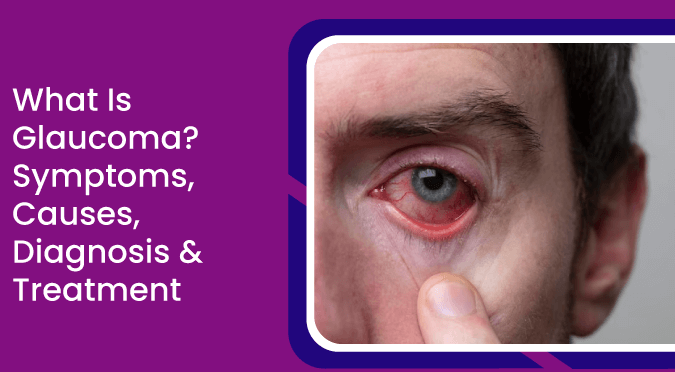

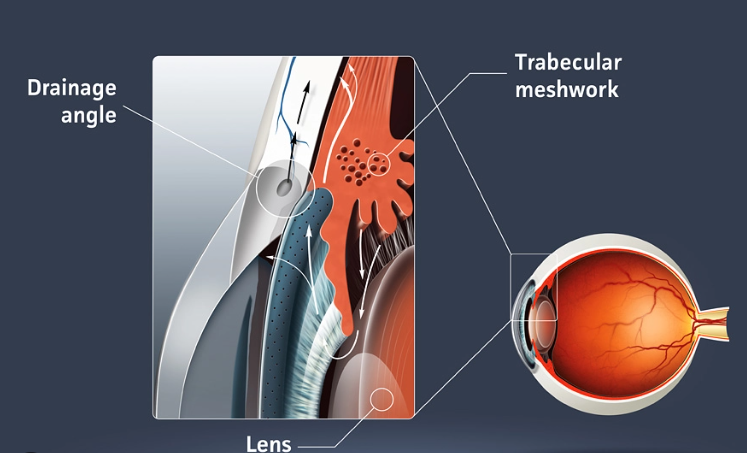
Recognizing the Warning Signs & Symptoms of Glaucoma
Glaucoma is a complex group of ocular diseases characterized by optic nerve damage, often linked to an abnormal buildup of intraocular pressure (IOP). Frequently referred to as the "silent thief of sight," this condition typically progresses without pain or obvious symptoms until significant vision loss has occurred. Understanding the specific symptoms of the different types of glaucoma is essential for early intervention and sight preservation.
Precision Diagnosis at Vala Eye Centre: The 2026 Standard
Modern Diagnosis for Glaucoma is no longer based on a single reading. Instead, it is a Structural and Functional Diagnosis. Dr. Ruchi Vala uses a series of advanced tests to create a baseline of patients eye health:
Glaucoma: Frequently Asked Questions
Why Vala Eye Centre is a Leading Choice for Glaucoma Treatment.
Why choose Vala Eye Centre?
At Vala Eye Centre, our goal is not only to treat the disease but to protect long-term vision and quality of life.